How the spleen regulates the proportion of activated platelets in the blood
Activated by injuries, blood platelets (thrombocytes) help wounds close quickly. When activated in an uncontrolled manner, however, they can trigger heart attacks and strokes and promote tissue damage during infections. Until now, little has been known about how the body regulates this sensitive balance.
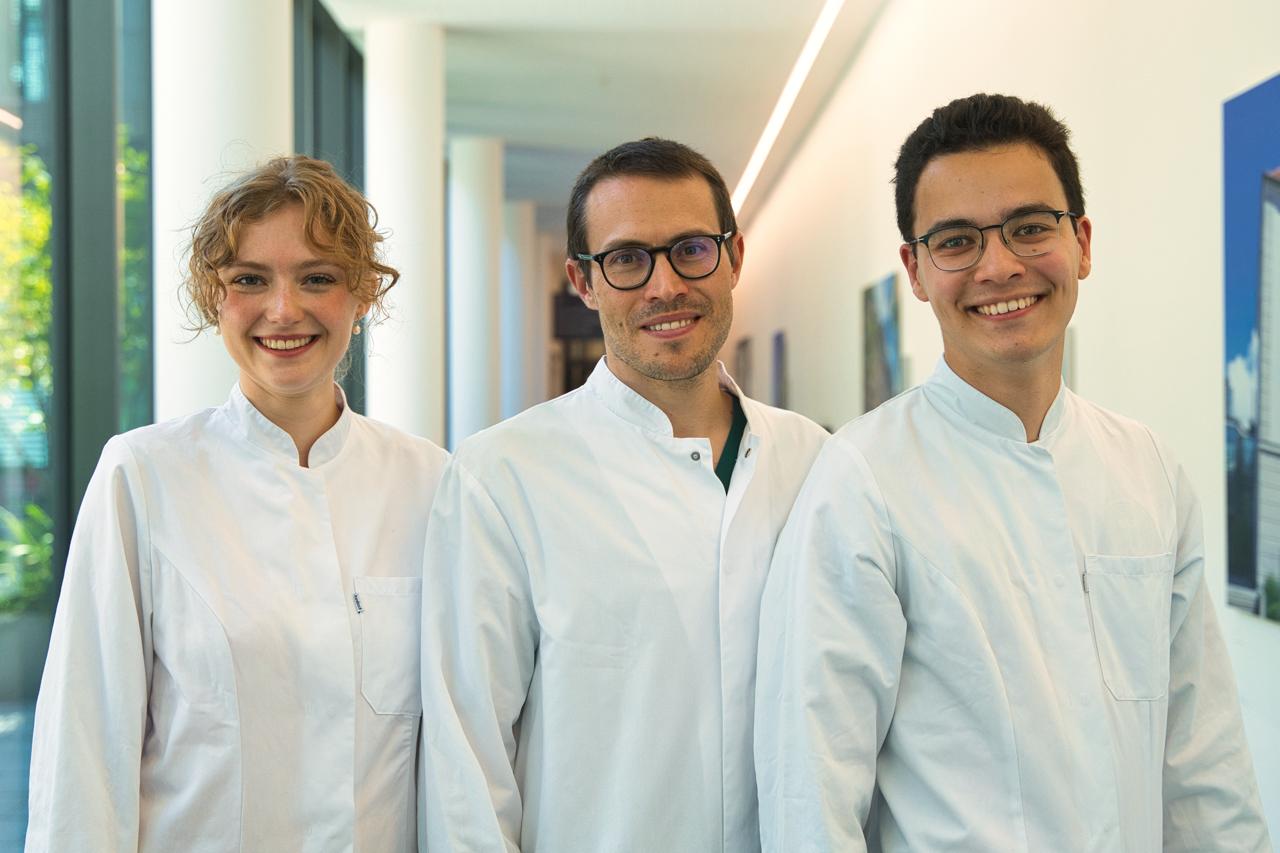
A research team from the Medical Clinic and Polyclinic I (Cardiology) at LMU University Hospital, led by Privatdozent Dr. Leo Nicolai and Professor Steffen Massberg along with lead authors Lisa Laun, Dr. Alexander Leunig, and Felix Zhang, has discovered a previously unknown protective mechanism of the spleen. The team has published its findings in the renowned journal Science.
Quality Control in the Spleen
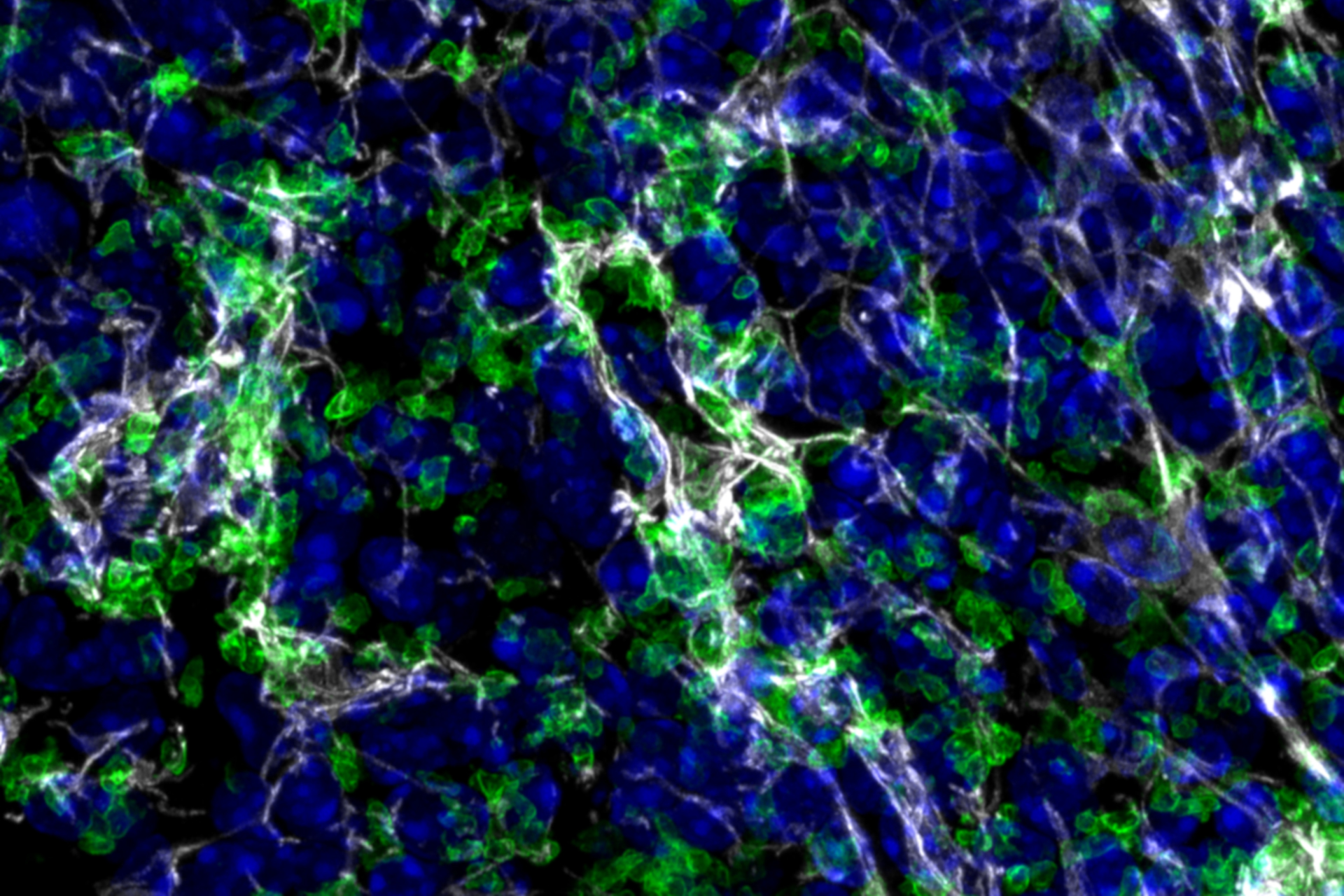
The researchers showed that the spleen acts as a quality-control checkpoint, allowing resting platelets to enter the bloodstream, while retaining and clearing platelets that are already strongly activated. Absence of this filter mechanism in animal models led to increased thromboses, lung injuries, and pulmonary embolisms.
The researchers also found supporting evidence in heart-attack patients, in whom the spleen becomes enlarged and accumulates activated platelets. In other words, the protective mechanism seems to work in humans as well.

Spleen is end of line for overactivated platelets
At the molecular level, the scientists discovered, platelets receive activating signals from splenic tissue while passing through the spleen. At the same time, the G6b receptor located on the surface of the platelets sends inhibitory signals that counteract this activation. This allows resting platelets to return to the bloodstream.
In the case of platelets that are already strongly activated, however, the inhibitory signals are no longer sufficient to neutralize the activation. They remain activated and adhere within the spleen, where they are removed by specialized phagocytes.
The results provide a possible explanation for why people without a spleen have an increased risk of blood clots and severe illness during inflammation: They lack this natural protective filter.
Prospect of more targeted therapies against overactivated platelets
Millions of people take platelet-inhibiting drugs such as ASS and Clopidogrel to prevent heart attacks or strokes. As these drugs inhibit the activation of all platelets, however, they often increase bleeding risks as well. The natural protective mechanism discovered by the researchers could, in the long term, pave the way for more targeted therapies that primarily disable overactivated platelets and leave normal blood clotting largely intact.
“Interestingly, this mechanism plays a role in many quite different disease models and could therefore also offer new points of approach for treating various diseases such as sepsis and thromboses,” observes Leo Nicolai. His team is planning to further investigate the possible therapeutic use of this mechanism for human diseases.
Dr. Leo Nicolai: The Two Sides of Platelets
Publication
Splenic Regulation of the Systemic Platelet Activation State
Lisa Laun*, Alexander Leunig*, Felix Zhang*, Sezer Akgöl, Dario Rossaro, Matthias P. Fabritius, Afra Anjum, Lennart Kreutz, Nathalie Mackert, Gabriel H.M. Araujo, Shaan Mahameed, Craig Balmforth, Marie-Louise Hoffknecht, Magdalena Mader, Konstantin Hoffmann, Justus Reittinger, Johanna Knechtel, Nellie M. Kwabla, Maité Mulkers, Michael Schmid, Jean Solarz, Hannah Niederdorfer, Raphael Escaig, Robin Dewender, Heiko Schulz, Frederick Klauschen, Konstantin Stark, Florian Gaertner, David E. Newby, Bernhard Nieswandt, Filip K. Swirski, Zoltan Nagy, Alexandra Mazharian, Rainer Kaiser, Yotis A. Senis, Steffen Massberg# & Leo Nicolai#
Science, 2026