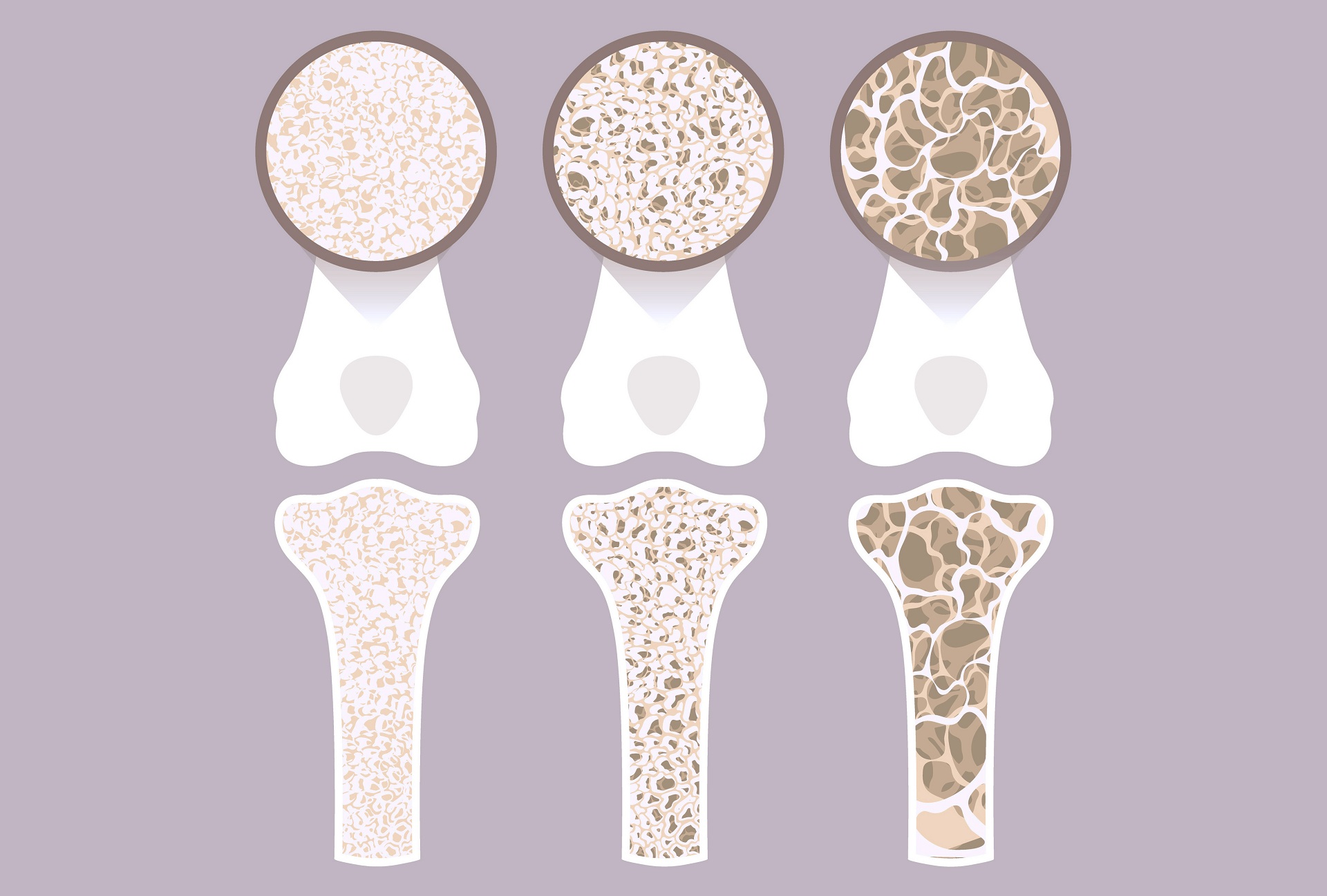
Everyday life in German hospitals: Many people - mostly women, mostly elderly to very elderly - are admitted with bone fractures caused by osteoporosis. In 2019, there were over 830,000 fractures. This is an organ failure of the bone that could have been prevented by consistent medication and other measures such as exercise. However, primary prevention is virtually non-existent in Germany. The situation is hardly any better when it comes to secondary prevention after the first fracture.
Further figures for 2019 make it clear what osteoporosis means: at that time, almost 7.7 million people in Germany were suffering from bone loss. 155,000 fractures near the hip alone were registered - and the trend is rising. Osteoporosis-related follow-up costs amounted to 13.8 billion euros, an increase of 4.8 billion euros compared to 2010. At the same time, the care gap for high-risk patients was 76 percent.
"Fractures caused by osteoporosis are not a marginal issue, but a central care task in an ageing society," says Wolfgang Böcker, Director of the Musculoskeletal University Center Munich (MUM) - an association of several departments of the LMU University Hospital Munich, which together cover the entire spectrum of musculoskeletal medicine. Despite clear scientific evidence of the effect of secondary prevention, the guideline-based diagnosis and treatment of the underlying osteoporosis after a first fracture is often inadequately implemented. International concepts such as the "Fracture Liaison Service" (FLS) address this gap in care through structured, interdisciplinary treatment programs.